
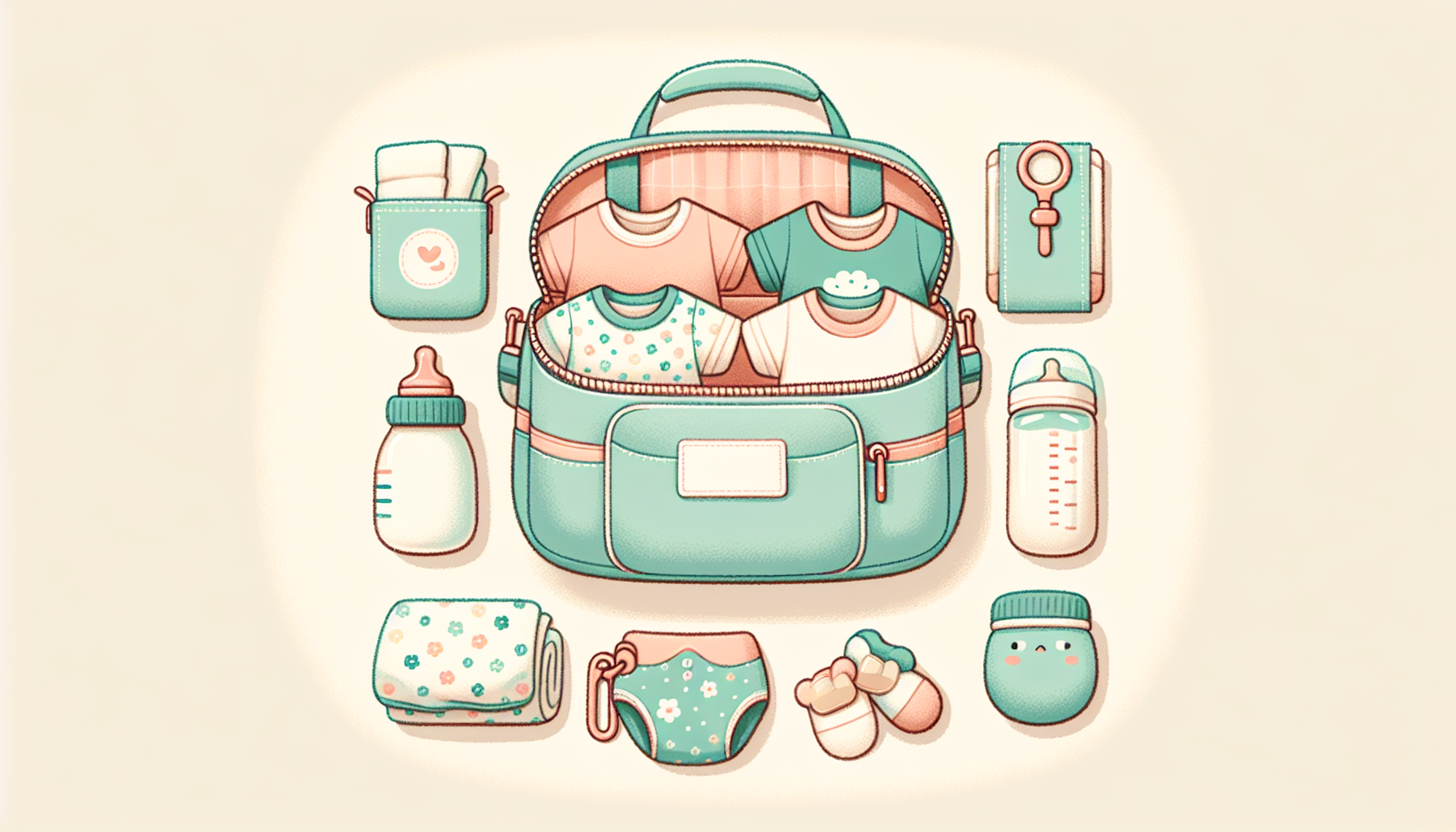
The first time you leave the house with a baby, the diaper bag can feel like a puzzle. Pack too little and you might end up in a parking lot without a clean onesie. Pack too much and you are hauling a bag that weighs more than the stroller. If you have ever stood in the nursery the night before a pediatrician visit wondering what to pack in a diaper bag, you are in very good company.
The good news is that a well packed diaper bag is less about owning every gadget on the market and more about building a small, thoughtful kit that covers the usual surprises. Most parents find that after a few trips, their bag settles into a routine of familiar items they can grab without thinking. This guide walks through the essentials for newborns and older babies, how to adjust for short errands versus longer outings, and how to keep the bag restocked without it becoming a weekend project.
Every baby is different, and every family's day looks a little different too. Use this as a starting point, then tweak it based on what your baby actually uses. The best diaper bag is the one that matches your real life, not a stock photo.

Packing for your first outing can feel big, but a simple kit you trust is a total game changer. Start small, see what you actually reach for, and adjust from there.
Newborn Diaper Bag Essentials
Newborns do three main things while you are out: sleep, eat, and produce an impressive number of diapers. A newborn focused diaper bag is really just a travel version of your changing table and feeding station. The core items most parents reach for again and again are diapers, wipes, a portable changing pad, burp cloths, a couple of extra outfits, feeding supplies, and a soft blanket or swaddle.
Blowouts are a reality of the newborn phase, so having at least two spare outfits and a small sealable bag for dirty clothes can save a lot of stress. A lightweight muslin blanket can double as a nursing cover, a car seat shade, a tummy time mat on a clean surface, or a burp cloth in a pinch. Many parents find that these multi use items earn their space in the bag far more than single purpose gadgets.
For feeding, what you pack depends on how your baby eats. Breastfeeding parents often carry a nursing cover if they prefer one, nursing pads, and maybe a small bottle of pumped milk in a cooler bag. Formula feeding parents typically pack pre measured formula in a dispenser, one or two clean bottles, and bottled water safe for mixing. Pediatricians can offer guidance on safe water sources and formula preparation, so check with your pediatrician if you are unsure about on the go feeding for your baby.
What Changes for Older Babies
Once your baby starts rolling, sitting, or eating solids, the diaper bag shifts too. Burp cloths and swaddles tend to come out. Snacks, sippy cups, bibs, and a small toy or board book come in. You will likely still pack diapers and wipes, but outfit changes may become less frequent as spit up calms down and solids take over.
For babies eating solids, a bib that rolls up small, a reusable pouch or snack container, and a spoon or two are helpful additions. If your baby is mouthing everything, a few extra pacifiers or teething toys (ideally ones that can be rinsed off) are worth the space. If you are working on starting solids, our guide on when to start solids and our post on baby led weaning both cover more about what meals away from home can look like in those first months.
As babies become more mobile, many parents find it helpful to keep a very small "entertainment" pocket in the bag. One small toy, a cloth book, and a teether usually do more than a dozen random items rolling around. Rotating these weekly keeps things fresh without adding bulk.
How Many of Each Item to Pack
The most common packing mistake is either under packing (one diaper, a few wipes, and hope) or over packing (a full supply for the week for a two hour trip). A middle ground that works for many parents is one diaper per hour out plus two extras, a full travel pack of wipes, two outfit changes for newborns and one for older babies, and enough feeding supplies for the expected time away plus one additional feed.
The table below shows a general starting point that many parents adjust based on their baby. It is not a rule, just a way to avoid the "did I bring enough?" spiral every single time you leave the house.
| Trip Length | Diapers | Outfit Changes | Feeds Prepped | Extras to Consider |
|---|---|---|---|---|
| Quick errand (under 1 hour) | 2 | 1 | 1 (or none if just fed) | Pacifier, small blanket |
| Short outing (2 to 3 hours) | 3 to 4 | 1 to 2 | 1 to 2 | Snack for older baby, toy |
| Half day (4 to 6 hours) | 5 to 6 | 2 | 2 to 3 | Extra wipes, sun hat, sunscreen for older baby |
| Full day out (7+ hours) | 7 to 8 | 2 to 3 | 3 to 4 | Full change mat, second outfit for parent, snacks |
General guidance only. Some babies may need more or fewer supplies depending on age, feeding style, and personal preference.

If you keep track of diapers and feeds at home, you already know your baby's rhythm. Use that to pack just a little more than your usual outing window.
Short Errands vs. Longer Outings
Not every trip needs the full diaper bag. Many parents find it helpful to keep two tiers: a compact grab kit for short errands, and the full bag for longer days. A compact kit can live in a small pouch and include two diapers, a travel wipes pack, one outfit, a pacifier, and a muslin cloth. That way a quick coffee run does not require hauling the whole setup.
For longer outings, such as a day visiting family or a trip to the pediatrician across town, packing a little more protects against delays. Traffic, long wait times, and unexpected stops are classic reasons to have extra wipes and one more diaper than you think you need. If you are traveling further, our guide on traveling with a baby walks through some longer trip considerations.
For outings that include a feeding at a specific time, many parents find it helpful to line up the bag with the feeding schedule. If you are working on a routine, our post on building a baby routine has more on how predictable rhythms can make packing simpler because you know roughly when the next feed or nap will happen.
Items for You, Not Just Baby
It is very easy to pack the diaper bag as if the baby is the only traveler, but you are out there too. Many parents find they are more comfortable with a small pocket reserved for adult essentials: a spare shirt in case of spit up, a refillable water bottle, snacks, phone charger, lip balm, and a few basic first aid items like band aids. A hair tie or a soft headband can be surprisingly useful during a feed in a breezy place.
A small zip pouch with your own essentials is often easier than trying to balance a purse and a diaper bag. If you carry both, choosing a diaper bag with an internal divider or a clip for keys can keep your things from disappearing into the wipes pocket. Many parents find that postpartum, having a bag that opens wide and feels balanced on one shoulder makes a real difference, especially in the early weeks. If you are still healing, our post on postpartum recovery tips may also be helpful.
It is also okay to pack a little comfort. A favorite snack, a podcast queued up, or a small note from a friend tucked in a pocket can help a tough day feel a bit lighter. The diaper bag does not have to be all business.
Organizing and Restocking the Bag
Even the best kit loses its magic if the bag is chaotic. A rough rule that many parents find works well is "one job per pocket." Diapers and changing supplies in one section, feeding supplies in another, outfits and blanket in a third, and a small pouch for your things. When every category has a home, you can reach in without looking, which matters when you are holding a squirmy baby.
For restocking, a quick habit of topping up the bag right after getting home goes a long way. Replace the used diapers, refill wipes if needed, swap any soiled burp cloths for clean ones, and check that the spare outfits still fit (babies grow fast). Once a week, do a slightly deeper check: look at sizes, expiration dates on any medications if you carry them, and whether the snacks or bottles still seem fresh.
If you use a baby tracking app to log feeds, diapers, and naps, you already have a nice view of your baby's patterns. That can help you estimate how many diapers you realistically go through in a four hour window, or how often a bottle is needed away from home. For more on tracking patterns to reduce guesswork, our post on things to track for the pediatrician explains what parents often find useful to have on hand.
If you ever notice something unusual while you are out, such as changes in your baby's breathing, feeding, or behavior, it is always a good idea to check in with your pediatrician. The diaper bag is a great tool for predictable needs, but real concerns are better brought to a healthcare provider. You can also explore more general parenting guides on the Pippy site if you want a gentle, no pressure place to start.
Pack smarter with Pippy
Pippy makes it easy to log diapers, feeds, and naps so you know exactly what your baby typically uses in a day. That means less guessing and more confidence every time you grab the diaper bag and head out.
Try Pippy Free